
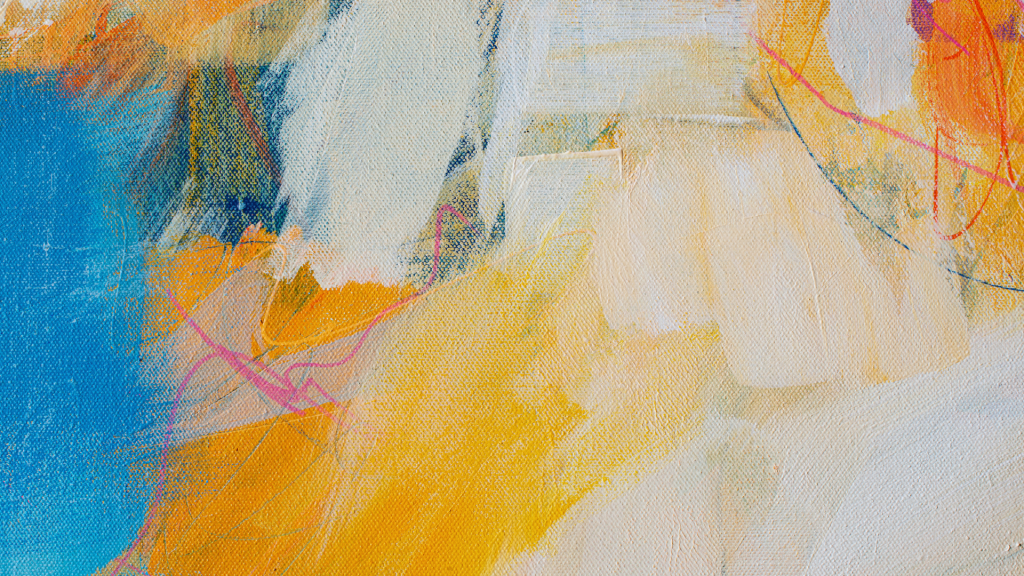
Abstract art challenges traditional forms of representation, pushing the boundaries of creativity. Artists utilize a variety of techniques to convey emotions and ideas beyond mere visuals. Recognizing these diverse abstract art techniques can deepen appreciation for this unique genre and inspire aspiring artists.
From bold brushstrokes and vibrant colors to intricate layering and texture manipulation, each method offers distinct ways to engage the viewer. Some techniques emphasize spontaneity and intuition, while others focus on geometric shapes or mixed media applications. Understanding these approaches allows for a richer exploration of individual expression within abstract art.
As artists experiment and combine different techniques, they create pieces that resonate on multiple levels. These innovative practices not only reflect personal styles but also challenge observers to contemplate the meaning behind the artwork. Engaging with various abstract art techniques opens up a world of creativity for both the creator and the audience.
Historical Development of Abstract Art
The evolution of abstract art has been marked by its origins in early 20th-century movements and the influence of various artists and styles. Key figures and significant developments played crucial roles in shaping the genre into what it is today.
Origins and Pioneers
Abstract art emerged as a response to traditional representation in art. In the late 19th century, artists like Vincent van Gogh and Paul Cézanne began experimenting with color and form.
Wassily Kandinsky is often credited with creating the first purely abstract works around 1910. His theories on color and spirituality greatly influenced the development of abstraction. Meanwhile, Kazimir Malevich introduced Suprematism, emphasizing basic geometric forms. Their radical ideas challenged the perception of art and paved the way for future abstractionists.
Major Movements and Styles
The 20th century saw the rise of various movements within abstract art. Constructivism in Russia emphasized art’s role in society, merging artistic practice with social purpose. De Stijl, founded by Piet Mondrian, focused on the use of primary colors and geometric forms, aiming for harmony in compositions.
Abstract Expressionism emerged in the 1940s and 1950s, with artists like Jackson Pollock and Mark Rothko seeking emotional intensity through spontaneous and gestural painting. Later, post-painterly abstraction sought clarity and color over emotional intensity, influenced by artists like Helen Frankenthaler and Ellsworth Kelly. These movements contributed significantly to the diverse landscape of abstract art, showcasing its dynamic nature.
Fundamental Techniques in Abstract Art
Abstract art employs various techniques that highlight color, form, and brushwork. These techniques emphasize the artist’s intentions and invite interpretation beyond traditional representation.
Color Field Painting
Color Field Painting focuses on large areas of color meant to evoke emotional responses. Artists often use flat, unmodulated colors applied in sweeping swaths, creating an immersive experience. The technique originated in the 1940s and 1950s, with key figures like Mark Rothko and Barnett Newman.
In this style, the interplay of colors is crucial. Subtle variations in hue, saturation, and value contribute to a sense of depth and movement. Artists often consider the viewer’s interaction with the canvas, allowing colors to resonate and evoke feelings.
Gestural Abstraction
Gestural Abstraction emphasizes spontaneity and the physical act of painting. Artists apply paint with energetic brushstrokes, conveying emotion and movement. This technique gained prominence in the 1940s, led by figures like Jackson Pollock and Willem de Kooning.
Key elements include bold lines and dynamic forms that reflect the artist’s physical engagement with the work. The emphasis is on gestures rather than refined details, showcasing the creative process. This style allows for personal expression and encourages viewers to interpret the work’s emotional intensity.
Geometric Abstraction
Geometric Abstraction utilizes simple shapes and forms to explore composition and color relationships. Artists create art through arrangements of geometric elements, often employing symmetry and balance. This movement emerged in the early 20th century, with pivotal artists like Piet Mondrian and Kazimir Malevich.
Within this technique, the use of grids and repetitive patterns establishes rhythm and structure. Artists aim to strip away representational elements, focusing on pure visual experiences. The interplay between form and color in geometric abstraction invites viewers to engage analytically with the artwork.
Materials and Tools for Abstract Creation
Creating abstract art involves a variety of materials and tools that enhance expression and creativity. Artists can choose from traditional mediums or embrace digital and mixed media to achieve their desired effects.
Traditional Mediums
Traditional mediums play a significant role in abstract creation. Common options include:
- Acrylic Paint: Fast-drying and versatile, acrylics allow for layering and texture.
- Oil Paint: Known for its rich colors and slow drying time, oil paint offers depth in blending.
- Watercolors: Ideal for fluidity, watercolors provide a soft, translucent quality.
- Pastels: Both oil and chalk pastels create vivid colors and textures.
Artists also utilize various surfaces, such as canvas, wooden panels, or paper. Brushes, palette knives, and sponges are essential tools for manipulating the mediums, allowing for a range of techniques from smooth washes to bold strokes.
Digital and Mixed Media
Digital art tools have transformed abstract expression. Software like Adobe Photoshop and Procreate enables artists to experiment with color, form, and texture easily. Digital platforms allow for endless edits and layering without the permanence of traditional mediums.
Mixed media combines various materials, enriching the creative process. Artists might use collage elements like photographs, fabric, or found objects alongside paint. This approach leads to unique results and encourages innovation, creating depth and interest within the artwork.
Overall, the choice of materials and tools significantly influences the style and approach of abstract art.